
Locations of the Pelorus Region
The Pelorus region offers an exceptional variety of places to explore — from Havelock, proudly known as the Greenshell mussel capital of the world, to D’Urville Island, the largest island in the Marlborough Sounds, and the beautiful Pelorus Valley, where the historic Pelorus Bridge spans the clear waters of the Rai River.
Inland Gateways
Rai Valley
The Rai Valley is the primary land gateway into the Pelorus region. Known for its farming and forestry heritage, it provides the main road connection between Nelson, Marlborough and the Sounds.
Pelorus Valley (Te Hoiere)
The Pelorus Valley follows the Pelorus River through native forest and scenic reserves. It is home to Pelorus Bridge Scenic Reserve, with swimming holes, forest walks and strong ecological values.
Wakamarina Valley
The Wakamarina Valley is one of the most historically significant inland areas of the Pelorus region. Site of the 1864 Wakamarina gold rush, it gave rise to Canvastown and played a major role in shaping early settlement, transport routes and regional development.
Inner Pelorus & Havelock Hub
Havelock & Mahau Sound
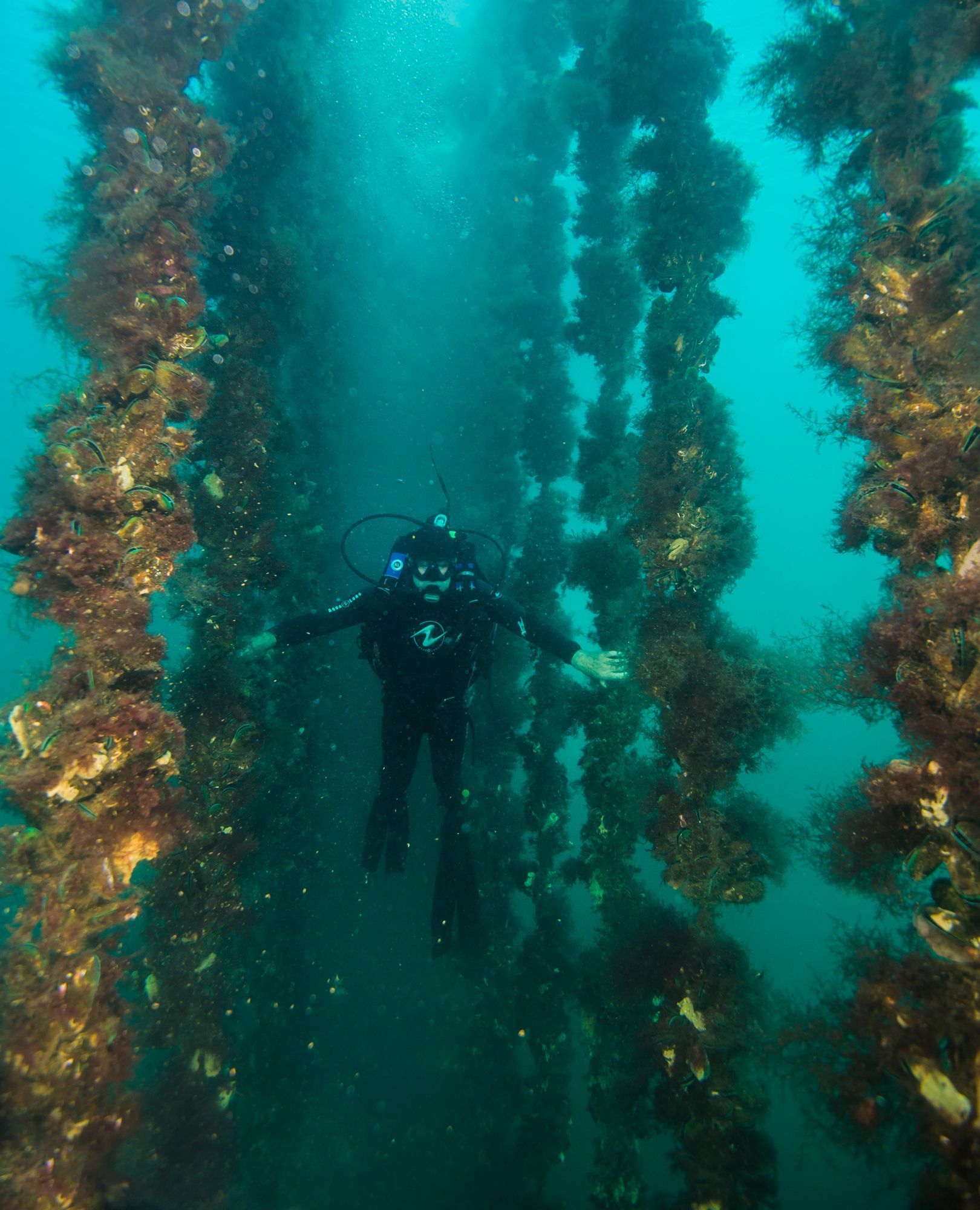
Located at the head of Pelorus Sound, Havelock is the region’s main service centre and marina, widely known as the Greenshell™ Mussel Capital of the World. Nearby Mahau Sound offers calm, sheltered waters and a relaxed coastal lifestyle.
Pelorus & Kenepuru Sounds
Pelorus Sound
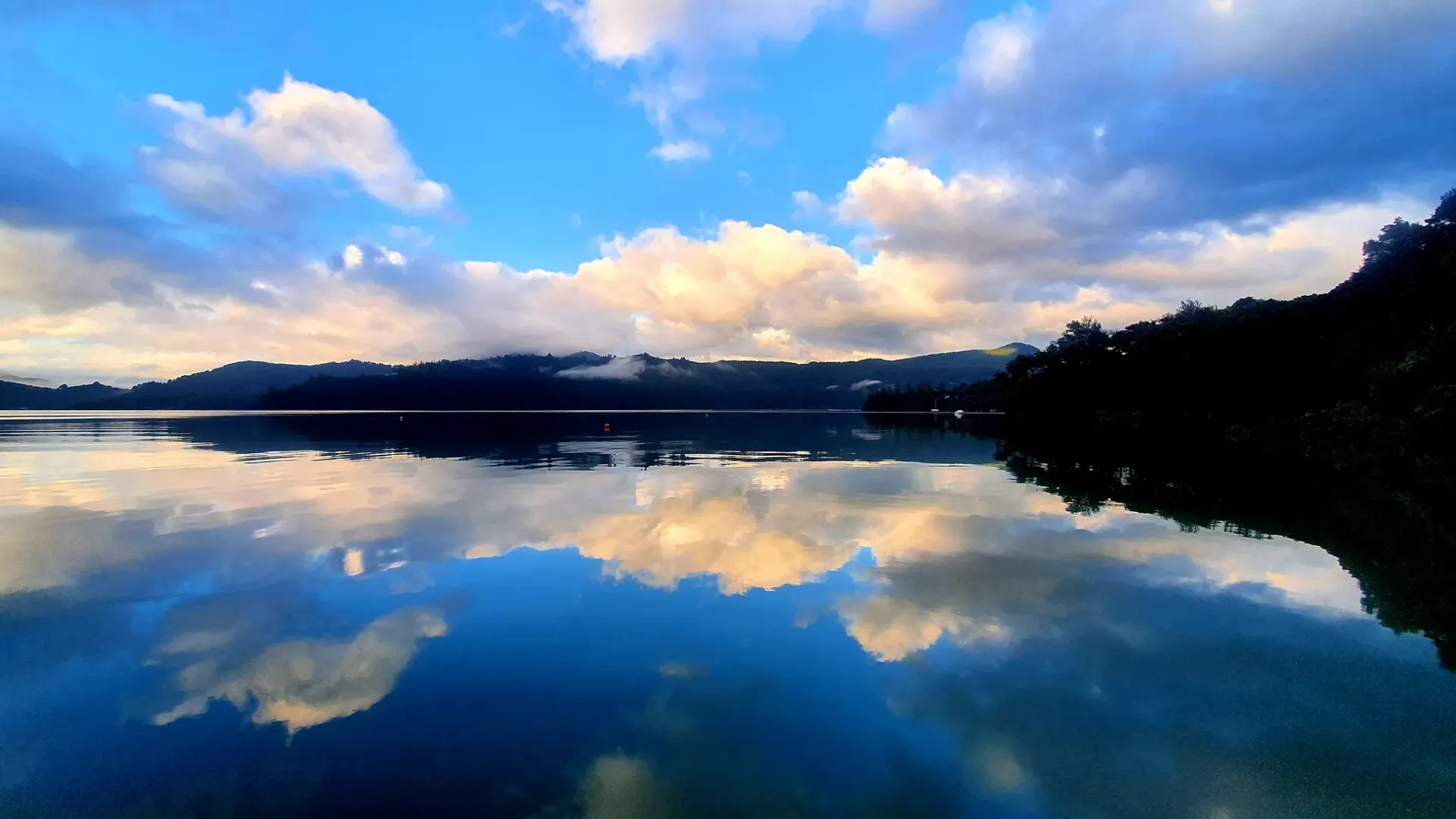
The largest of the Marlborough Sounds, Pelorus Sound extends deep into the landscape with countless bays, islands and inlets. Its sheltered waters support boating, fishing, aquaculture and remote communities.
Kenepuru Sound
Branching from Pelorus Sound, Kenepuru Sound is known for its turquoise waters, peaceful bays and bush-clad hills, offering quiet retreats and excellent kayaking.
Mount Stokes
Rising above Kenepuru Sound, Mount Stokes is the highest point in the Marlborough Sounds. Reached via the Kenepuru Road area, its forested slopes and remote ridgelines form a dramatic backdrop to the Sound, with expansive views across Pelorus Sound, Admiralty Bay and D’Urville Island.
Tennyson Inlet & Nydia Coast
Tennyson Inlet
A rugged and less-travelled arm of Pelorus Sound, Tennyson Inlet is characterised by steep hills, native forest and deep water. Elaine Bay and Duncan Bay sit within the inlet and are valued for their tranquillity, boating access and sense of isolation.
Nydia Bay
Located at the coastal end of the Nydia Track, Nydia Bay is a remote and scenic bay accessible by boat or on foot. It marks the transition between inland forested valleys and the outer Pelorus coastline.
Outer Pelorus & Coastal Settlements
Ōkiwi Bay
At the western edge of the region, Ōkiwi Bay marks the transition from sheltered sounds to open coastline. It is known for its beach, fishing and relaxed coastal character.
Admiralty Bay
Admiralty Bay lies between the outer Marlborough Sounds and D’Urville Island. More exposed than inner bays, it is known for strong tidal flows, rich marine biodiversity and frequent dolphin and seabird sightings.
Port Ligar
Located near the northern end of Pelorus Sound, Port Ligar is one of the region’s most remote and pristine bays, valued for deep water anchorage and untouched surroundings.
French Pass (Rangitoto ki te Tonga)
French Pass is famous for its fast-moving tidal currents and dramatic seascape. The winding drive to the Pass is widely regarded as one of New Zealand’s most spectacular coastal routes.
D’Urville Island (Rangitoto ki te Tonga)
Beyond French Pass, D’Urville Island is known for wild coastlines, powerful currents and deep Māori history. It remains a destination for experienced adventurers, fishers and divers.
Extra facilities/features
Add extra information.
Discover More