The Story of the Pelorus Region
The Most Stunning Region in New Zealand.
A little over a century ago, Havelock was a bustling frontier town. Positioned between the goldfields of Wakamarina and Cullen Creek, it thrived on the energy of prospectors and traders, once boasting twenty-three hotels at its peak. When the gold ran out, the crowds moved on and Havelock settled into a quieter rhythm — a fishing village shaped by tides, timber and the sheltered waters of Pelorus Sound.
But the Pelorus story reaches much further back.
More than 700 years ago, Māori navigators travelled and settled these waterways, known as Te Hoiere. Rivers, bays and inlets formed natural highways, sustaining communities through fishing, gardens and trade. These cultural connections remain woven through the landscape and continue to shape the region today.
European explorers followed centuries later. Abel Tasman passed D’Urville Island in 1642, with further French and Russian voyages in the decades that followed. Captain James Cook charted parts of the Marlborough Sounds in the 1770s, and by the mid-1800s small European settlements had begun to appear, built around farming, fishing, whaling and timber extraction.
The discovery of gold in the Wakamarina Valley in 1864 transformed the region almost overnight. Canvastown emerged at the junction of the Wakamarina and Pelorus Rivers, while Havelock became a vital service centre for thousands of miners. Further discoveries at Mahakipawa in 1888 extended this brief but intense frontier era, leaving behind tracks, bridges and communities that endured long after the gold was gone.
As mining faded, the forests took centre stage. Sawmilling flourished from the late 1800s into the early 20th century, particularly through the Rai and Pelorus valleys, while farming developed where the land allowed. Remote bays remained connected by sea, and in the early 1900s the Pelorus Mail Boat began delivering mail and supplies — a lifeline that still links these communities today.
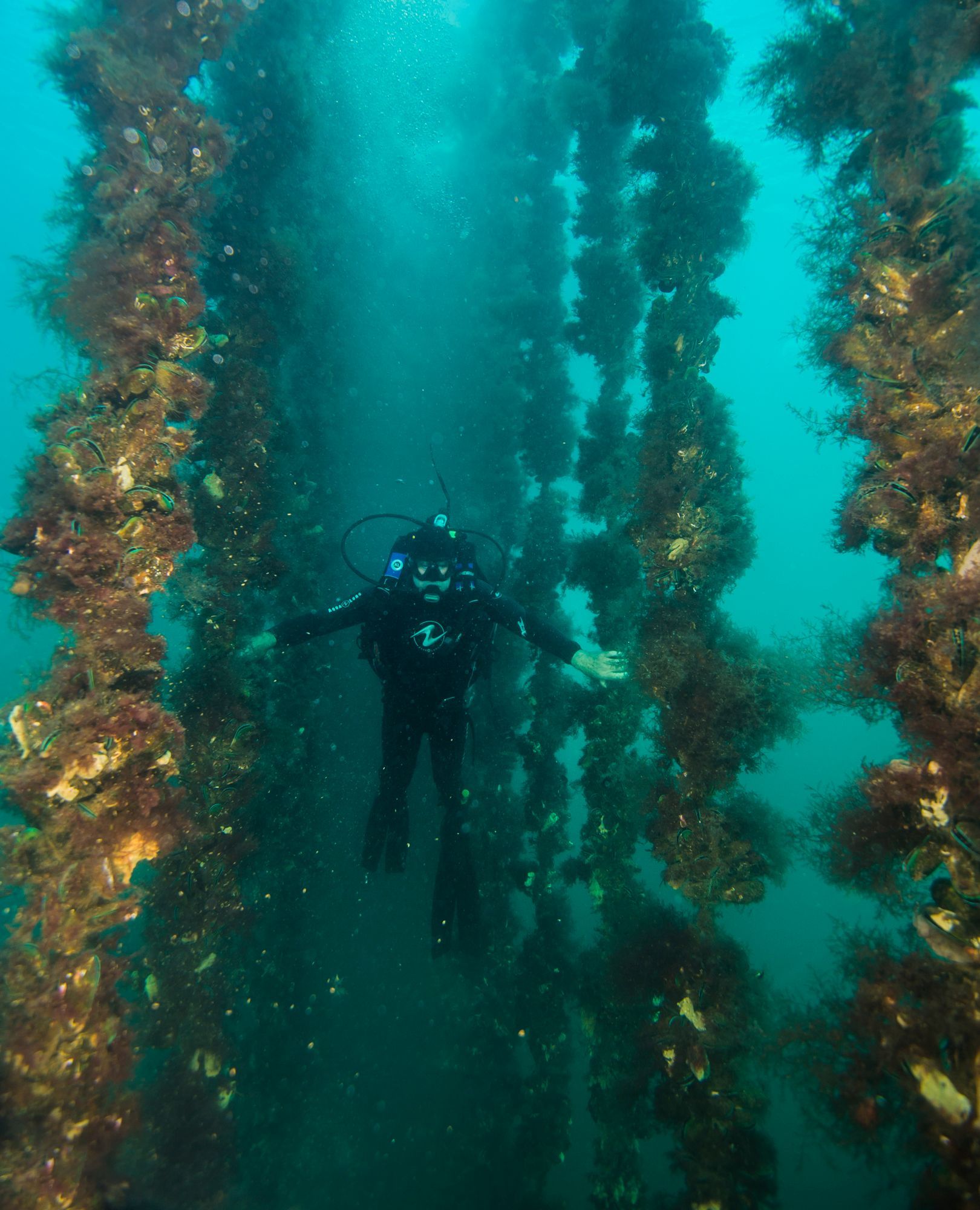
In the late 20th century, Pelorus entered a new chapter. The sheltered, nutrient-rich waters of Pelorus and Kenepuru Sounds proved ideal for marine farming. Experimental mussel farms in the late 1960s evolved into a world-leading industry, cemented by the opening of a processing factory in Havelock in 1981. Greenshell™ mussels, alongside salmon farming and forestry, reshaped the regional economy and connected this quiet corner of the Sounds to global markets.
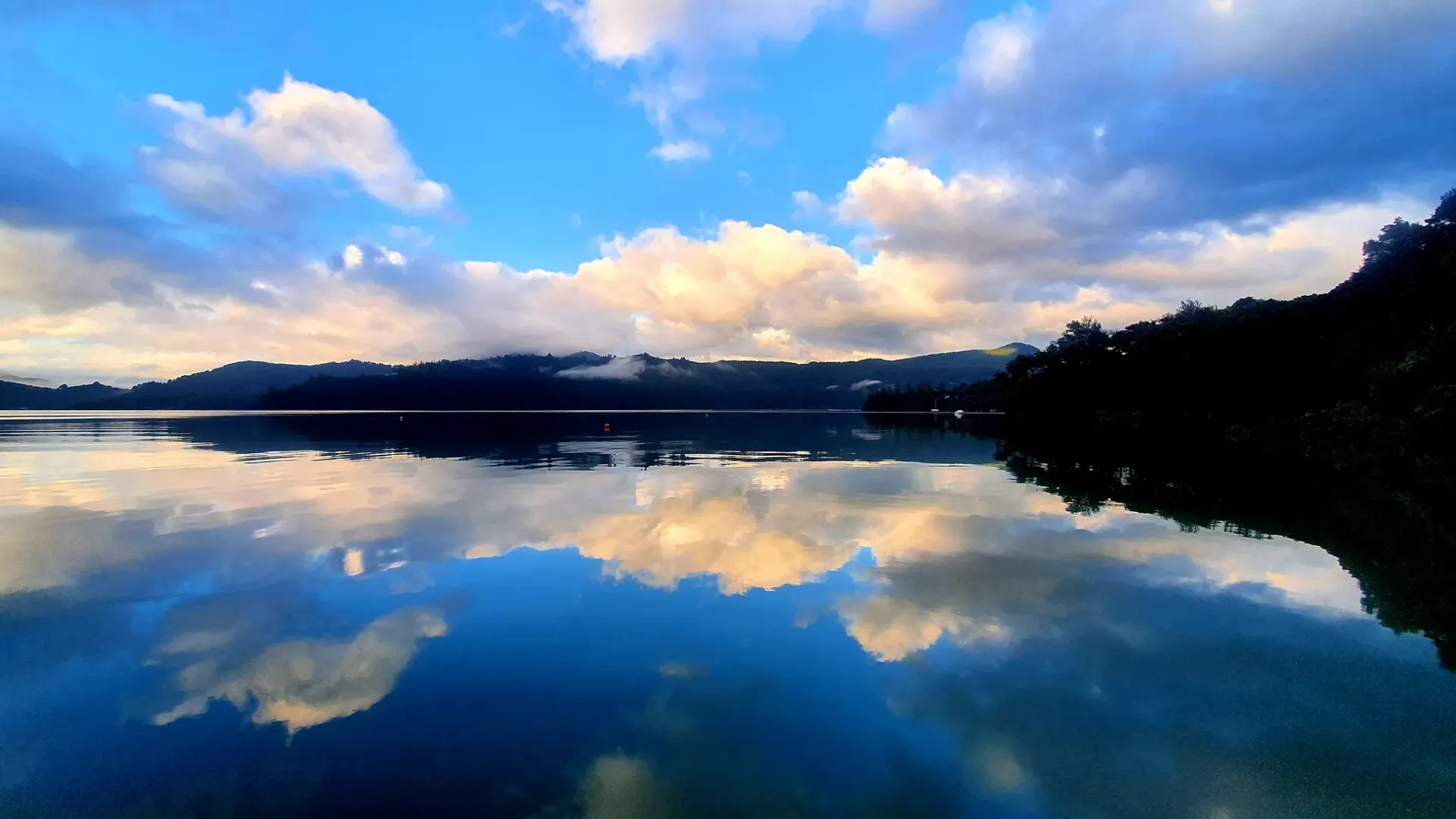
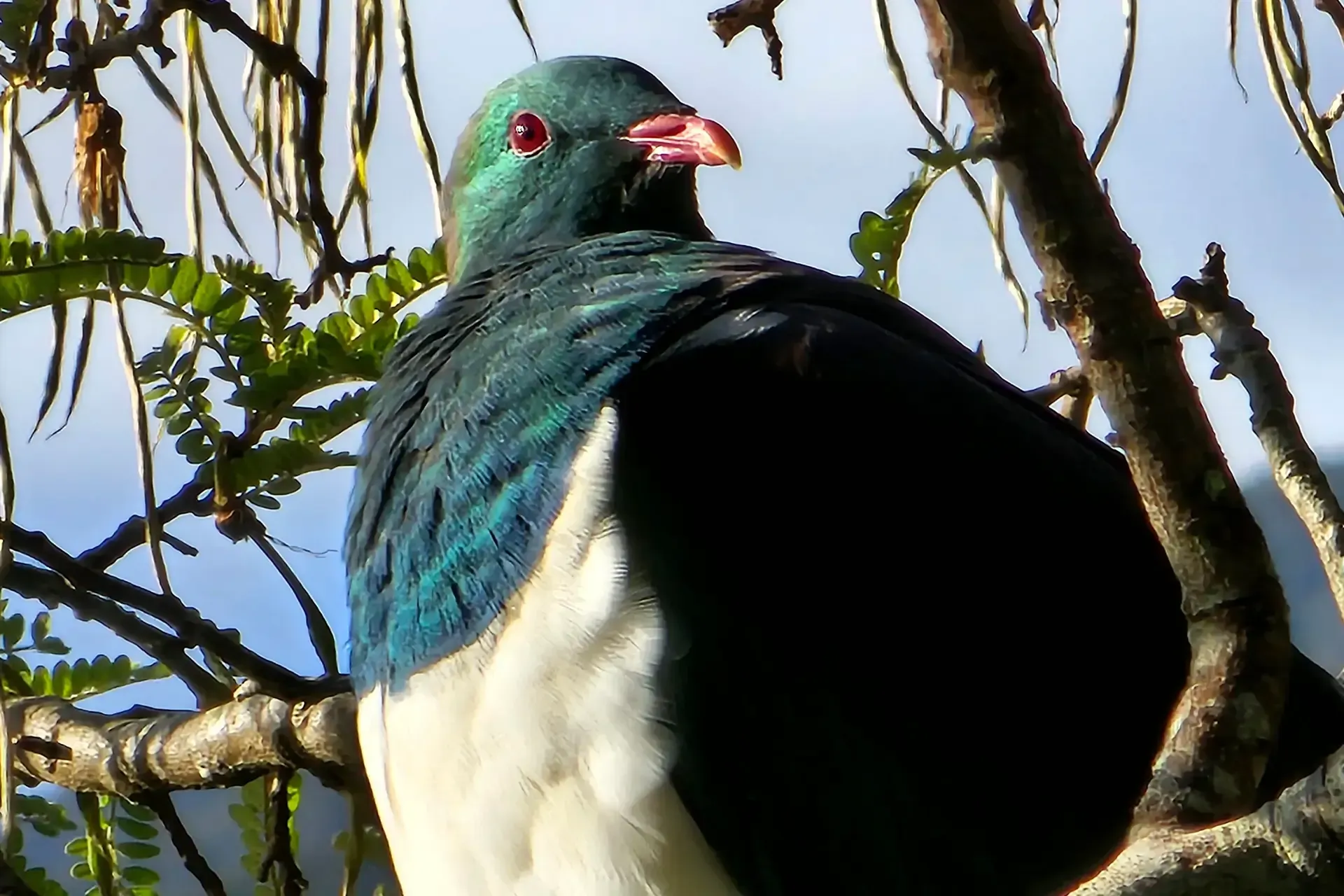
Today, the Pelorus Region is defined by both its past and its progress. Native forests echo with birdsong, dolphins move through sheltered channels, and working waterways sit alongside scenic reserves and small coastal communities. From ancient navigation to gold fever, from mail boats to modern aquaculture, Pelorus is a place shaped by resilience, renewal, and a deep connection to land and sea — where history still lingers on the water, and the future continues to grow from it.
Extra facilities/features
Add extra information.